Theo Simon · 28 September 2026
Tracing User Behavior Shifts in Search Results via Snoloft's Engagement Mapping Tools
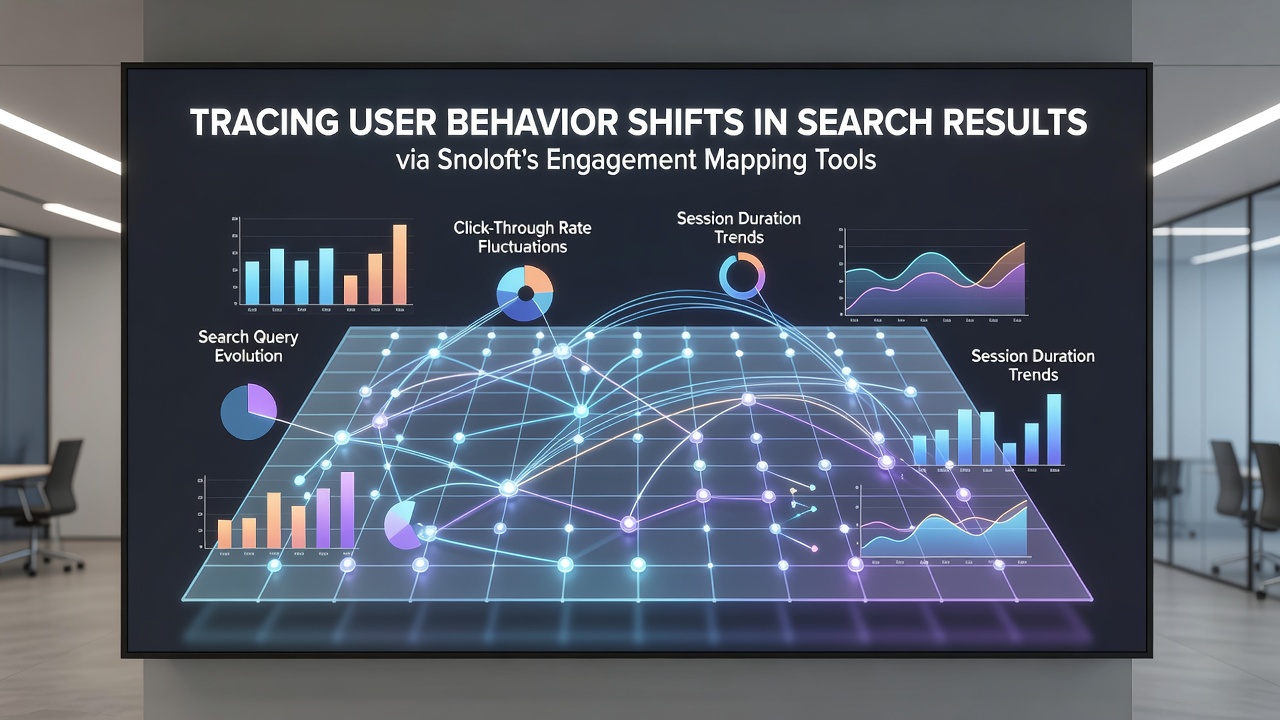
Search engines continue to evolve the way results appear and how users interact with them, and analysts now rely on specialized platforms to track those changes over extended periods. Snoloft's engagement mapping tools collect clickstream data, scroll depth metrics, and session duration signals to identify when user preferences move from one result type to another. These tools process large volumes of anonymized interaction logs, then overlay them onto SERP layouts to reveal patterns that emerge across different query categories and time frames.
Core Components of Engagement Mapping
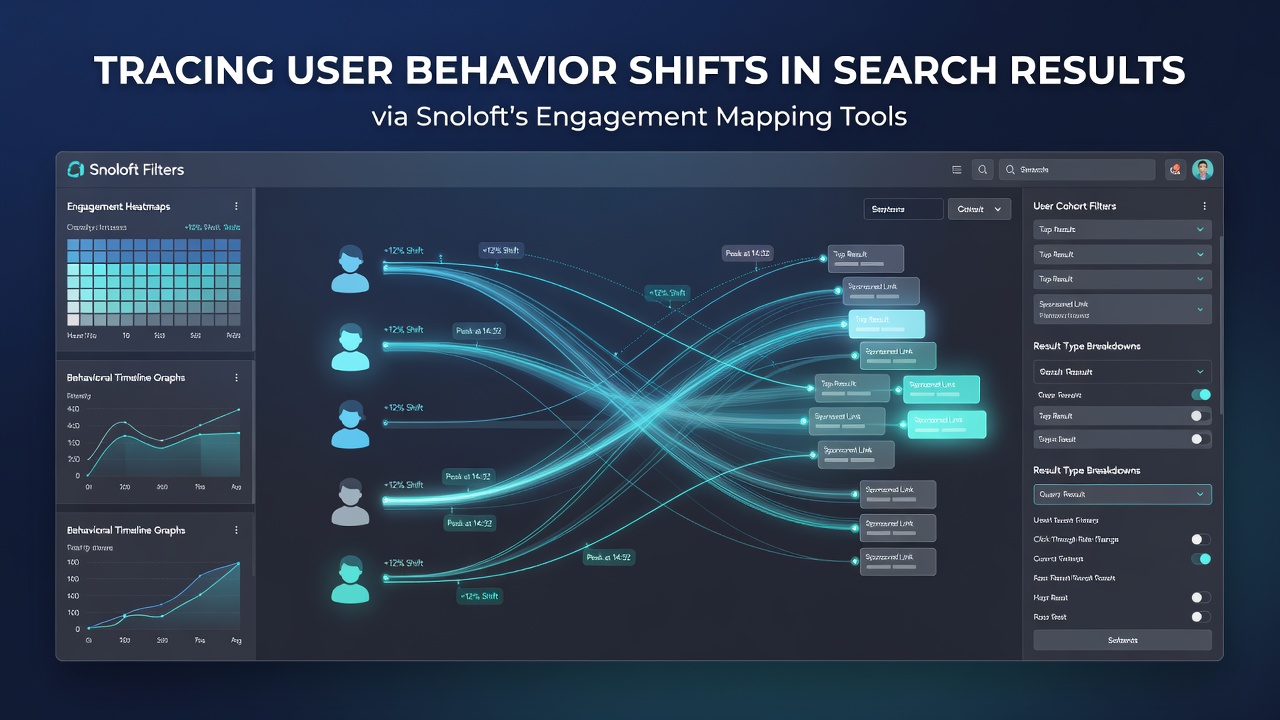
Snoloft organizes raw engagement signals into layered maps that separate initial clicks from deeper explorations such as result expansions or related search refinements. Researchers apply clustering algorithms to group similar behavior sequences, which allows observers to detect gradual drifts rather than abrupt spikes. Data shows that these maps highlight transitions where users begin favoring video thumbnails over text snippets or where mobile sessions diverge from desktop patterns in predictable ways.
Engineers at the platform integrate timestamped events with geographic and device metadata so that regional variations become visible without requiring separate data pulls. One dataset released in September 2026 illustrated how query intent in European markets shifted toward local service listings while North American users maintained broader informational preferences for the same keyword sets.
Detecting Temporal Shifts in User Pathways
Longitudinal studies using Snoloft maps have traced how seasonal events alter result selection sequences. Analysts compare baseline engagement layers from prior quarters against current outputs to isolate variables such as increased dwell time on featured snippets or reduced bounce rates on knowledge panels. Figures from multiple industry reports indicate that such comparisons help identify when algorithm adjustments coincide with genuine changes in searcher expectations rather than temporary fluctuations.
Take the case where a research team applied the mapping tools to e-commerce queries ahead of major retail events. The resulting visualizations showed users moving from broad category pages to specific product comparison tools within the same session, a pattern that strengthened in the weeks leading up to September 2026 promotional cycles. This movement appeared consistently across tracked domains and correlated with updated SERP features that emphasized structured data displays.
Integration with Broader Search Analytics
Teams combine Snoloft outputs with external datasets from sources such as the Pew Research Center to cross-reference self-reported search habits against observed engagement flows. The combined view clarifies whether reported preferences align with actual interaction sequences recorded in the mapping layers. Observers note that discrepancies often surface when users claim reliance on top organic results yet demonstrate higher engagement with paid placements in live sessions.
Additional context comes from regulatory filings, including summaries issued by the European Commission on platform transparency obligations. These documents supply aggregate statistics on result visibility that map directly onto Snoloft's granular session data, creating a fuller picture of how regulatory requirements influence user pathways.
Practical Applications Across Sectors
Content strategists employ the mapping outputs to adjust page structures when user pathways indicate a preference for quick answers over comprehensive guides. Academic researchers apply similar techniques to study information-seeking behavior in specialized fields such as health or finance, where result credibility signals appear to drive different scroll patterns. Data collected through these tools has also informed adjustments in internal site navigation that mirror observed external search sequences.
September 2026 updates to the platform introduced automated alerts that flag when engagement clusters begin migrating toward new result formats. These alerts trigger when threshold deviations exceed historical variance levels, allowing teams to examine potential causes without manually reviewing every dataset segment.
Conclusion
Snoloft's engagement mapping tools provide structured visibility into how search result interactions evolve across user segments and time periods. By layering multiple data types and comparing outputs against external benchmarks, analysts maintain accurate records of behavior shifts that accompany both platform changes and external events. Continued refinement of these methods supports precise tracking of searcher preferences as result presentations continue to diversify.