Yara Peters · 14 September 2026
Decoding the Interplay Between Site Speed Enhancements and Organic Reach Sustainability
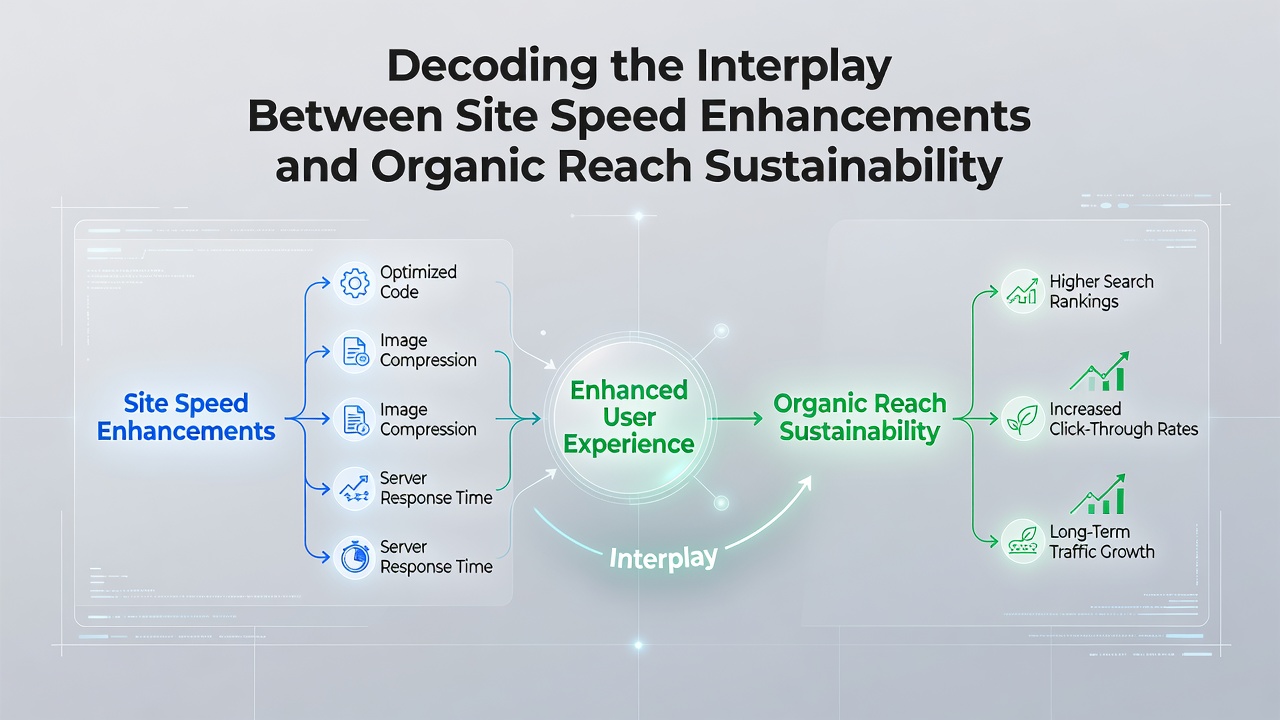
Site speed enhancements connect directly to organic reach sustainability through measurable impacts on search engine algorithms and user behavior patterns, where faster loading times correlate with improved rankings and sustained visitor engagement across multiple platforms.
Researchers have tracked these relationships for years, noting that metrics such as Largest Contentful Paint, First Input Delay, and Cumulative Layout Shift form the foundation of how search engines evaluate page performance and assign visibility in results pages.
Core Metrics Driving Performance Evaluation
Search engines assess site speed through specific benchmarks that reflect real-world user experiences, and data from various monitoring tools reveals consistent patterns where pages meeting these thresholds maintain higher positions in organic listings over extended periods. Observers note that delays beyond three seconds often trigger increased bounce rates, which in turn signal lower relevance to algorithms responsible for ranking decisions.
Studies indicate that mobile-first indexing amplifies these effects because users on handheld devices expect rapid responses, and failures here lead to reduced crawl frequency from bots that prioritize efficient content delivery. Those who've analyzed server logs confirm that optimized sites receive more frequent visits from indexing systems, supporting long-term visibility without additional promotional efforts.
Connections to Ranking Stability
Enhancements in loading efficiency contribute to ranking stability by aligning with algorithmic preferences for user-centric experiences, and evidence from performance audits shows that sites implementing compression techniques, content delivery networks, and code minification often sustain their positions even during broader industry updates. In September 2026, reports highlighted how platforms adopting these changes experienced fewer fluctuations in traffic compared to slower competitors facing similar market conditions.
Organic reach sustainability depends on this consistency because search engines reward pages that deliver reliable performance across sessions, while inconsistent speeds introduce variability that algorithms interpret as quality concerns. Experts have observed that combining speed work with regular content updates creates compounding benefits, where initial gains in visibility support ongoing accumulation of backlinks and social signals.
Implementation Approaches and Measured Outcomes
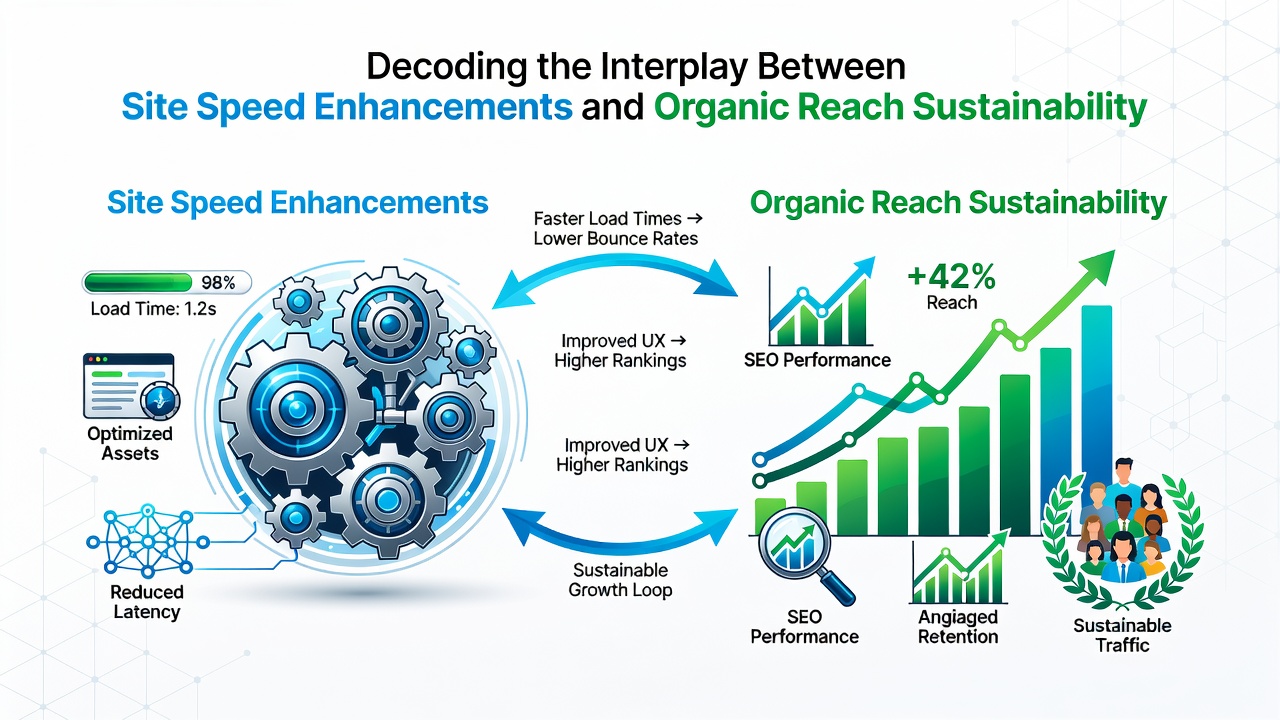
Teams pursuing these improvements typically start with audits that identify bottlenecks in image sizes, script execution, and server response times, then apply targeted fixes that yield quantifiable reductions in load intervals. Data shows that such interventions frequently result in higher dwell times and more pages viewed per session, metrics that reinforce algorithmic trust and help maintain reach without constant external interventions.
One analysis of e-commerce platforms revealed that those achieving sub-two-second loads retained visitors at rates twenty percent higher than industry averages, which translated into steadier organic inflows over quarterly reviews. What's interesting here involves the role of caching strategies, which allow dynamic content to load swiftly while preserving personalization features that users value.
Further refinements often include asynchronous loading for non-critical elements and lazy loading for images below the fold, approaches that maintain visual appeal without sacrificing initial render times. Research indicates these methods support sustainability because they scale effectively as sites grow in complexity, preventing performance degradation that could otherwise erode accumulated search equity.
Long-Term Effects on Traffic Patterns
Organic reach sustainability emerges when speed enhancements become part of routine maintenance rather than one-time projects, and longitudinal data confirms that consistent application correlates with steadier referral volumes from search engines. Patterns emerge where sites with strong performance histories attract more qualified visitors who convert at higher rates, creating self-reinforcing cycles of engagement and ranking signals.
According to findings from the Canadian digital economy reports, businesses integrating performance monitoring into their workflows reported fewer dips in visibility during algorithm refreshes. This stability proves valuable because it reduces reliance on paid channels and allows resources to focus on content development instead.
Another perspective comes from academic reviews at institutions examining web infrastructure, where models predict that incremental speed gains compound over time through improved indexation and user retention metrics. Those monitoring these trends emphasize that sustainability also requires attention to emerging standards like new compression formats and adaptive image serving, which keep sites competitive as browser capabilities evolve.
Conclusion
The interplay between site speed enhancements and organic reach sustainability rests on verifiable connections between technical optimizations and algorithmic rewards, with available evidence demonstrating that proactive management of performance factors supports enduring visibility in competitive search environments. Continued monitoring and adaptation to updated benchmarks remain essential for maintaining these advantages across evolving digital landscapes.